
Skip to content

GOVERNANCE

Hiring governance for regulated enterprises

Define role-based access, record approval decisions, and keep a history of the actions taken by people and AI employees. For example, a named reviewer can approve a shortlist and review that decision later.

THREE CONTROLS

Access. Approvals. History.
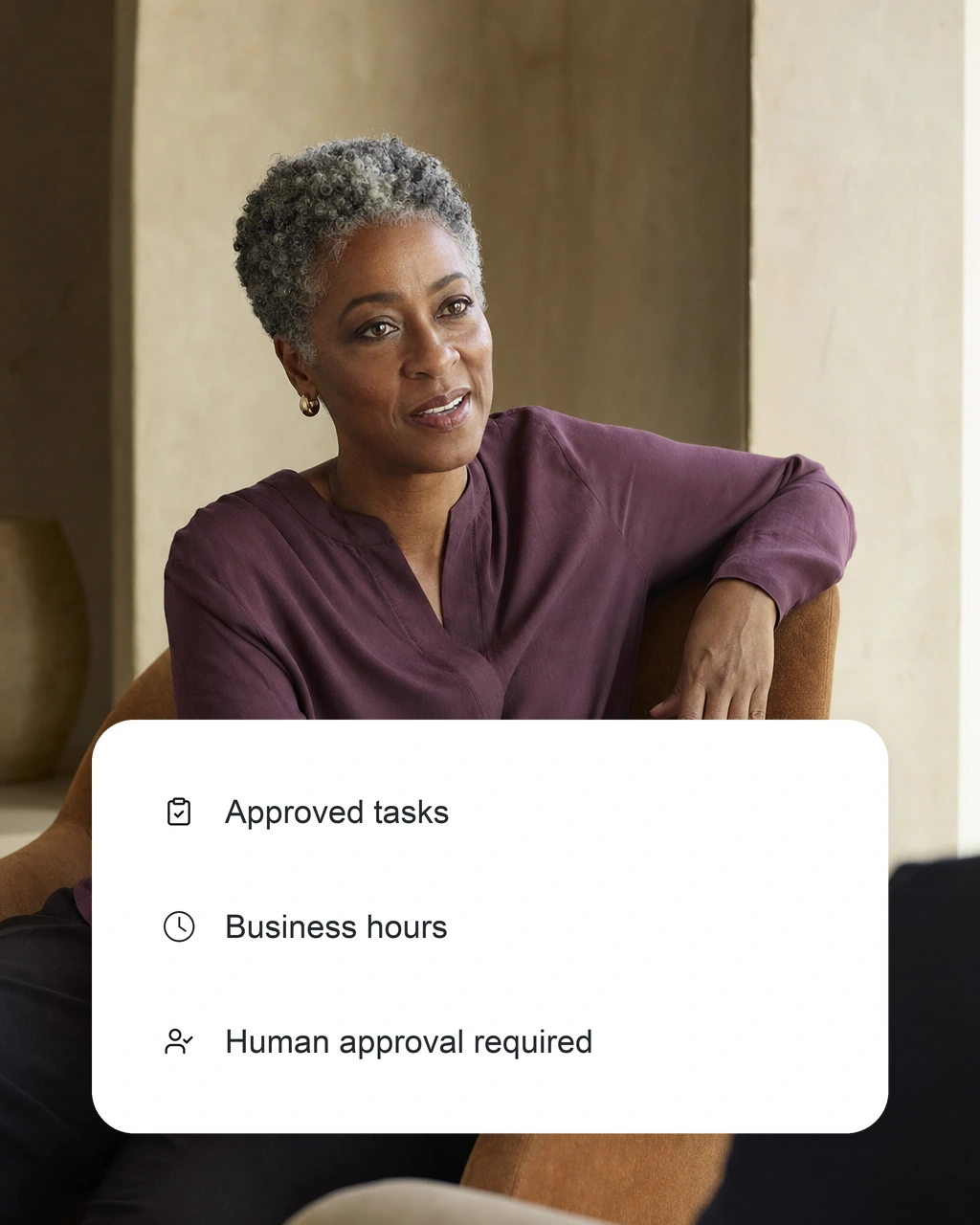
AI employee registry

Every AI employee has a named owner, a defined scope and permitted actions.

Smaya autonomy

01

Role-based access

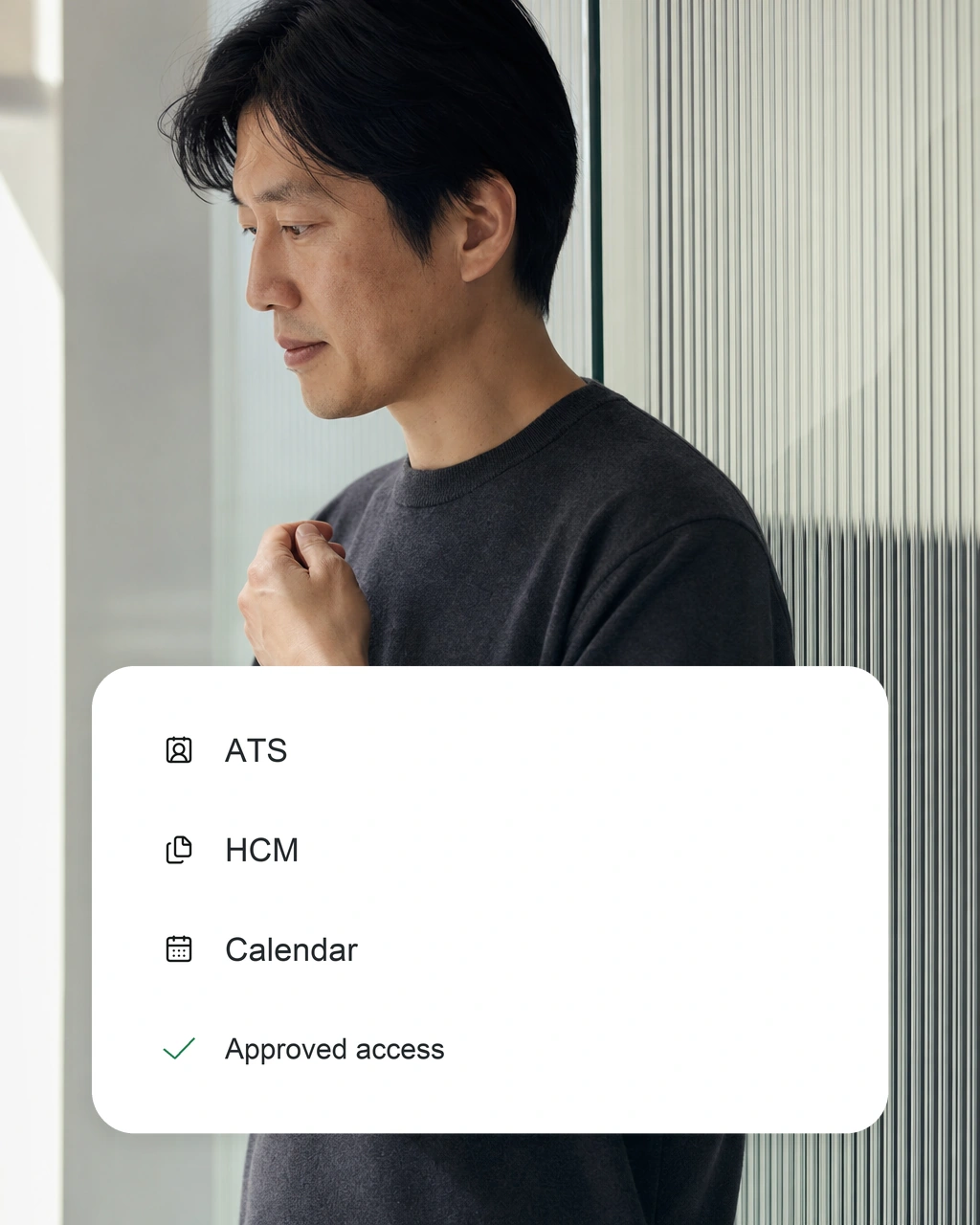
People and AI employees see and do only what their role allows.

02

Approval points

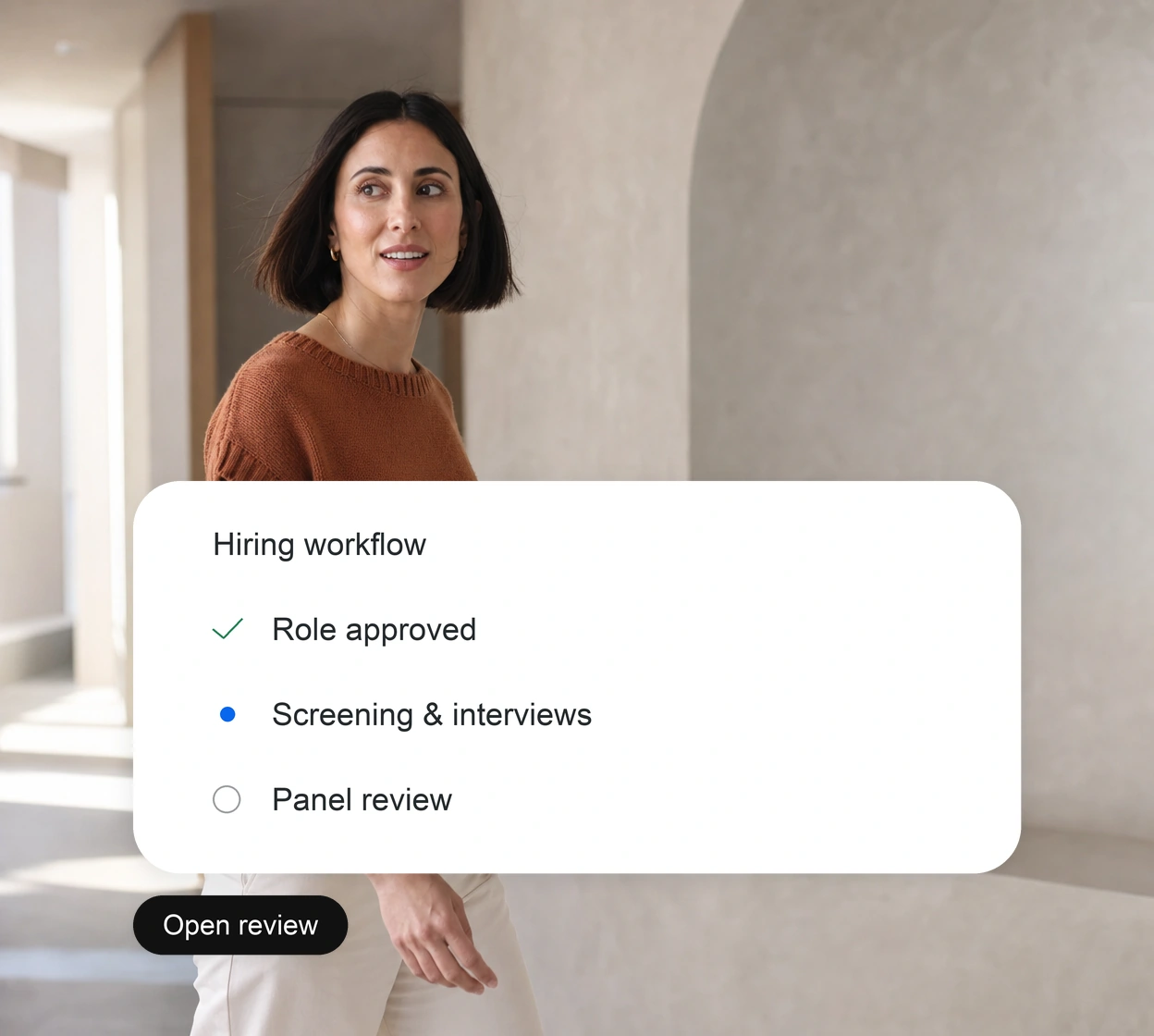
Shortlists, progression and offers wait for a named approver.

03

Full history

Each action and approval stays on record for review and audit.

DECISION RIGHTS

Clear ownership for every decision.

01

Approvers

Named people approve shortlists, progression and offers.

02

Exception owners

Anything unclear goes to a named owner, not a guess.

03

Workflow owners

A named owner monitors each workflow and can pause it when circumstances change.

REVIEW

Review governance as you grow.
01

Set the baseline

Agree access, approvals and owners before the first workflow runs.

02

Review regularly

Check access and approval records at agreed points.

03

Adjust

Widen or narrow what runs on its own based on results.

Explore the platform.

See the workflows these controls cover, how data is protected and how Smaya's autonomy is limited.
FAQ

Governance questions

What to know about setup, rollout and who makes the decisions.
Who can approve hiring decisions?
Only the named people your team authorises.
Can AI employees act outside their scope?
No. Each AI employee can only take the actions its owner permits.
Is there a record of every action?
Yes. Each action and approval stays in the history for later review.
Can we export records for audit?
Confirm audit export options for your plan during the demo.
Does governance guarantee compliance?
No. Your team assesses its own use and requirements. Governance gives you the controls and records to do that.
Where is security covered?
See Platform security and the Trust Center.
What happens when an input or approval is missing?
An unresolved input or approval must not be treated as permission. Agree the blocked-work procedure and demonstrate its behavior for the configured workflow.
How do we validate human decision gates?
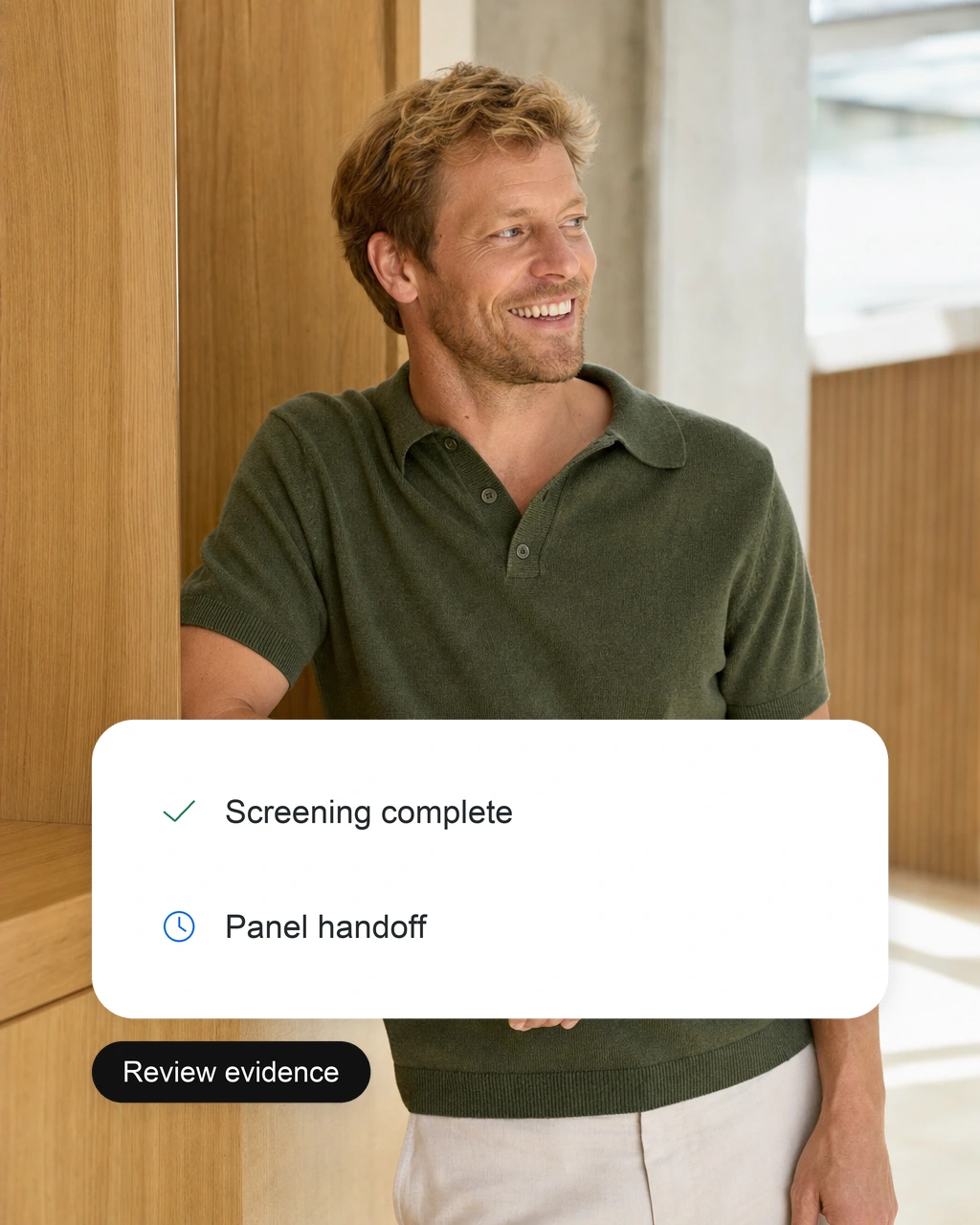
Test a representative progression and offer scenario. Confirm which authorized person reviews the evidence and how the approval is required before the next action.
Can an operator intervene during execution?
Assign an operator to review progress and handle exceptions. Confirm the intervention controls available for the workflow; do not assume rollback or unrestricted undo.
Who owns candidate progression and offer approvals?
Authorised people in your organisation own candidate progression, offer approvals and final hiring decisions. Smaya runs the approved work within those limits.
Does human oversight alone establish legal compliance?
No. Your team must assess its use, policies and the requirements that apply to it. Human decision ownership is a design limit, not a compliance certificate.
Where can we review security and data requirements?
Start with the Trust Center, then confirm access, processing, retention and deletion requirements with our team before sharing candidate data.