AI Hiring Compliance: 2026 Vendor Due-Diligence Checklist
Learn the key questions to ask AI hiring vendors and build a compliant, audit-ready process with transparency and oversight.


AI Hiring Compliance in 2027: A Vendor Due Diligence Checklist for TA Leaders
AI hiring compliance has moved from a niche legal topic to a board-level question. Regulators are setting rules, courts are testing who is responsible when automated tools screen people out, and auditors are starting to ask questions TA teams cannot always answer. If your organization uses AI anywhere in hiring, you need to understand how it works and be able to prove it. In this article, you will learn what is changing, the five questions to ask every hiring AI vendor, and how to build an audit-ready process.
TL;DR
Regulators and courts increasingly treat both hiring AI vendors and the employersusing them as accountable for outcomes. Every TA leader should be able to answer fivequestions about their tools: explainability, bias audits, human oversight, AI certificationand audit trails. Use our vendor-neutral checklist in your next AI vendor review,including with us. The right vendor should welcome every question on it.
In This Article
- Why is AI hiring now a compliance issue?
- What should you ask every AI hiring vendor?
- How do you build an audit-ready hiring process?
- Frequently asked questions
- Conclusion
Why Is AI Hiring Now a Compliance Issue?
AI hiring is now a compliance issue because regulators require bias audits and transparency for certain automated hiring tools, courts are testing whether vendors can share liability for discriminatory outcomes, and employers remain accountable for hiring decisions their tools support.
Courts Are Testing Vendor Liability: In the closely watched Mobley v. Workday class action, a federal court in June 2026 declined to dismiss most claims alleging discriminatory impact from the vendor's screening tools. The case remains unresolved, and Workday disputes the claims. The broader significance is that courts may not accept that technology providers are automatically shielded simply because they do not make the final hiring decision.
Candidates Are Skeptical Too: Trust is a business issue as well as a legal one. A 2025 Gartner survey found that only 26% of job candidates trust AI to evaluate them fairly. Transparent and explainable AI can help close that trust gap.
The Lesson Applies to Every Employer: This is not about any one vendor. Employers need to understand and evidence how every tool behind their hiring decisions works, from AI resume ranking to interview scoring. The question is no longer simply whether an AI hiring tool works. It is whether you can explain, test, govern, and defend how it works.
What Should You Ask Every AI Hiring Vendor?
Ask every AI hiring vendor five questions: can you explain each score, when were you lastaudited for adverse impact, where do humans make decisions, are you certified to an AImanagement standard such as ISO 42001, and can you export a full audit trail?
1. Can You Explain Why a Candidate Received a Specific Score?
Look for evidence tied to job-relevant criteria, not a black-box number.
2. Has the Tool Been Independently Audited for Adverse Impact?
Ask to see the audit summary and methodology.
3. Does a Human Make or Approve Every Consequential Decision?
Understand exactly where automation stops.
4. Are You Certified to an AI Management Standard Such as ISO 42001?
Certification shows AI risk is managed systematically.
5. Can You Export a Full Audit Trail for Any Candidate on Request?
You should be able toshow what happened, when and why.If any answer is vague, that is a risk you are carrying.
Want to talk to our experts to find a fix? It only takes 20 mins. Book Now.
How Do You Build an Audit-Ready Hiring Process?
Build an audit-ready hiring process in four steps: inventory every AI tool in hiring,document what each tool and each human decides, test outcomes for adverse impactregularly, and choose vendors built for scrutiny.
1. Inventory Your AI: List every place AI touches hiring: resume screening, chatbots,interviews, assessments, ranking and scheduling
2. Document Decisions and Oversight: Record what each tool decides, what humansdecide and how they connect. This is your first line of evidence if a decision ischallenged
3. Test Regularly: Run adverse-impact analysis on outcomes at each stage, not just onceat purchase. Patterns shift as roles, markets and models change
4. Choose Vendors Built for Scrutiny: Prefer vendors that explain how their models work,support independent audits and hold recognized certifications.
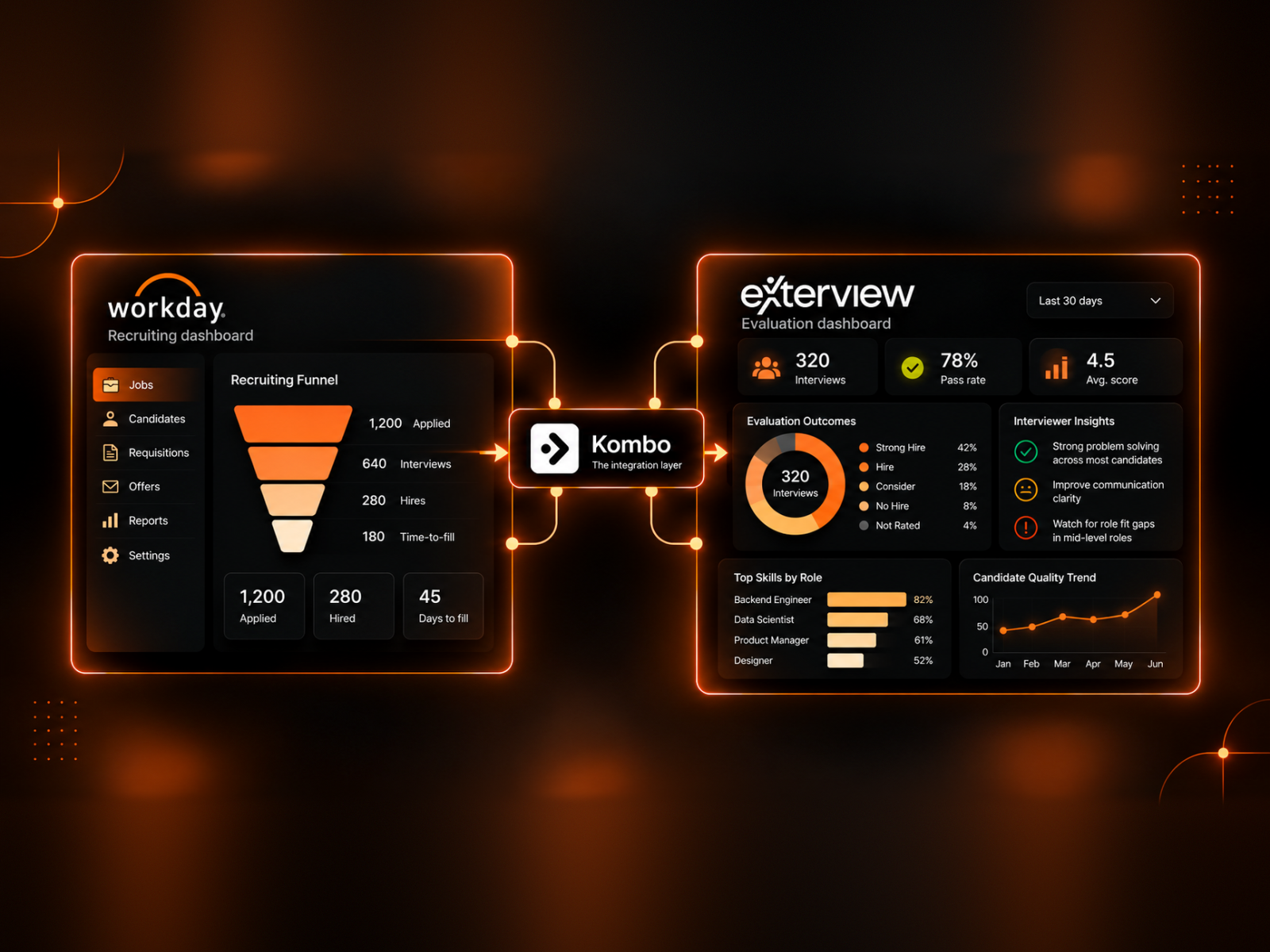
Exterview is an agentic talent intelligence platform for enterprise hiring, certified to SOC 2 Type II, ISO 27001, and ISO 42001, with explainable scoring and human-in-the-loop design. Regulated employers can go deeper with a guide to compliance-grade AI hiring.
Frequently Asked Questions
Are Employers Liable for AI Hiring Vendor Decisions?
Generally, employers remain responsible for their hiring decisions, including those supported by vendor AI tools. Recent litigation, including Mobley v. Workday, suggests vendors may also face direct liability. Employers should audit their tools and seek legal advice for their specific jurisdiction and circumstances.
What Is ISO 42001?
ISO/IEC 42001 is the international standard for artificial intelligence management systems. It sets requirements for how organizations govern, assess, monitor, and improve the AI systems they build or use, including areas such as risk management, transparency, and accountability. Certification is increasingly used as a benchmark for responsible AI management.
What Is an AI Bias Audit in Hiring?
An AI bias audit in hiring is an independent analysis of whether an automated hiring tool produces different outcomes for groups based on characteristics such as sex, race, or ethnicity. Rules such as New York City's Local Law 144 require these audits for certain automated employment decision tools.
How Often Should AI Hiring Tools Be Audited?
At least once a year, and whenever a model, role family, or hiring market changes significantly. Some regulations set specific audit frequencies. Ongoing monitoring of stage-by-stage outcomes between formal audits can also help identify problems early.
Does AI Hiring Compliance Mean Avoiding AI?
No. Well-governed AI can make hiring more consistent and fair than unstructured human judgment. Compliance means using AI transparently and accountably, with explainable scoring, regular bias testing, human oversight, and an audit trail for every decision.
Conclusion
AI hiring compliance is now firmly on the agenda. Regulation is tightening, courts are testing vendor liability, and employers remain accountable for outcomes. The organizations best placed to respond are those that can explain their tools, show regular testing, prove human oversight, and produce an audit trail when requested. Asking every vendor the right questions is where it starts.

Manish Surapeni