Compliant AI Hiring for BFSI and Pharma: 5 Requirements
Compliant AI hiring in regulated industries requires security, AI governance, explainability, identity verification, and human accountability.


Compliant AI Hiring in BFSI, Pharma and Healthcare: Top 5 Requirements That Matter
Banks, insurers, pharmaceutical companies, and healthcare providers face a hiring paradox. They need to hire quickly and at scale, but every hire may touch sensitive data, regulated processes, or patient safety. “Compliance-grade” is often used as a marketing label, but compliant AI hiring means something specific. In this article, you will learn the five requirements that define compliant AI hiring, where most hiring stacks fall short, and how to assess your own readiness.
TL;DR
Compliant AI hiring in regulated industries rests on five requirements: securitycertifications, AI governance such as ISO 42001, explainable scoring, built-in identityverification and human accountability with a full audit trail. Most stacks cover security;the gaps are usually in AI governance and verification.
In This Article
- Why do regulated industries need a higher bar for AI hiring?
- What are the five requirements of compliant AI hiring?
- Where do most hiring stacks fall short?
- Frequently asked questions
- Conclusion
Why Do Regulated Industries Need a Higher Bar for AI Hiring?
Regulated industries need a higher bar because new hires may access customer accounts, financial systems, regulated manufacturing, or patient care. A poor or fraudulent hire becomes a regulatory, security, or safety incident, and auditors increasingly expect evidence of how AI-supported hiring decisions were made.
Every Hire Carries Risk: In BFSI, new hires may access trading systems or confidential financial data. In pharmaand healthcare, they may work on clinical trials, regulated production or direct patientcare. As Gartner puts it, candidate fraud creates cybersecurity risks that can be far moreserious than a bad hire, which is why hiring fraud matters most in these sectors.
Auditors Are Asking New Questions: Auditors and regulators increasingly want to know how hiring decisions are made,especially where AI is involved. They expect evidence of fairness, human oversight anddata protection.
Speed Still Matters: Regulated enterprises compete for the same talent as everyone else. Compliance cannotcome at the cost of a slow, frustrating candidate experience.
What Are the Five Requirements of Compliant AI Hiring?
Compliant AI hiring requires five things working together: recognized security certifications, AI governance such as ISO/IEC 42001, explainable scoring, identity and background verification built into the workflow, and human accountability for every consequential decision with a full audit trail.
Want to talk to our experts to find a fix? It only takes 20 mins. Book Now.
Where Do Most Hiring Stacks Fall Short?
Most enterprise hiring stacks meet security standards but fall short on AI-specificgovernance, interview-stage verification and audit-ready evidence. These are exactly theareas auditors are starting to examine.
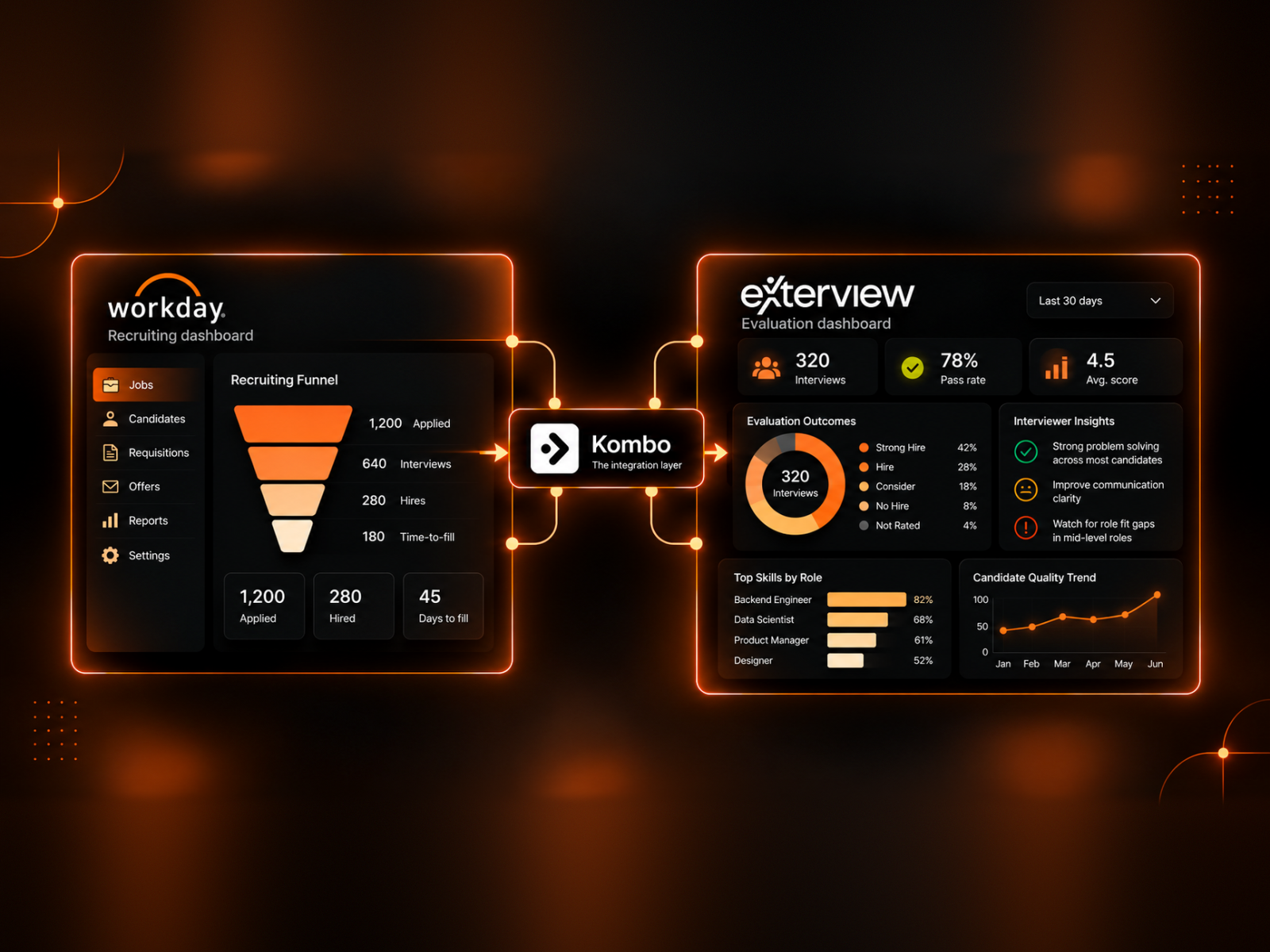
Security Is Usually Covered: Most enterprise ATS platforms, including Workday Recruiting, meet strong securitystandards. That is rarely the weak point
AI Governance Is Often Missing: Many AI hiring tools cannot explain individual scores, have not been independently testedfor adverse impact or do not hold AI management certifications. Our AI vendor duediligence checklist covers the questions to ask.
Verification Happens Too Late: Identity and background checks often happen after the offer, in a separate system. Thatleaves the interview stages, where proxy candidates and fabricated credentials slipthrough, unprotected
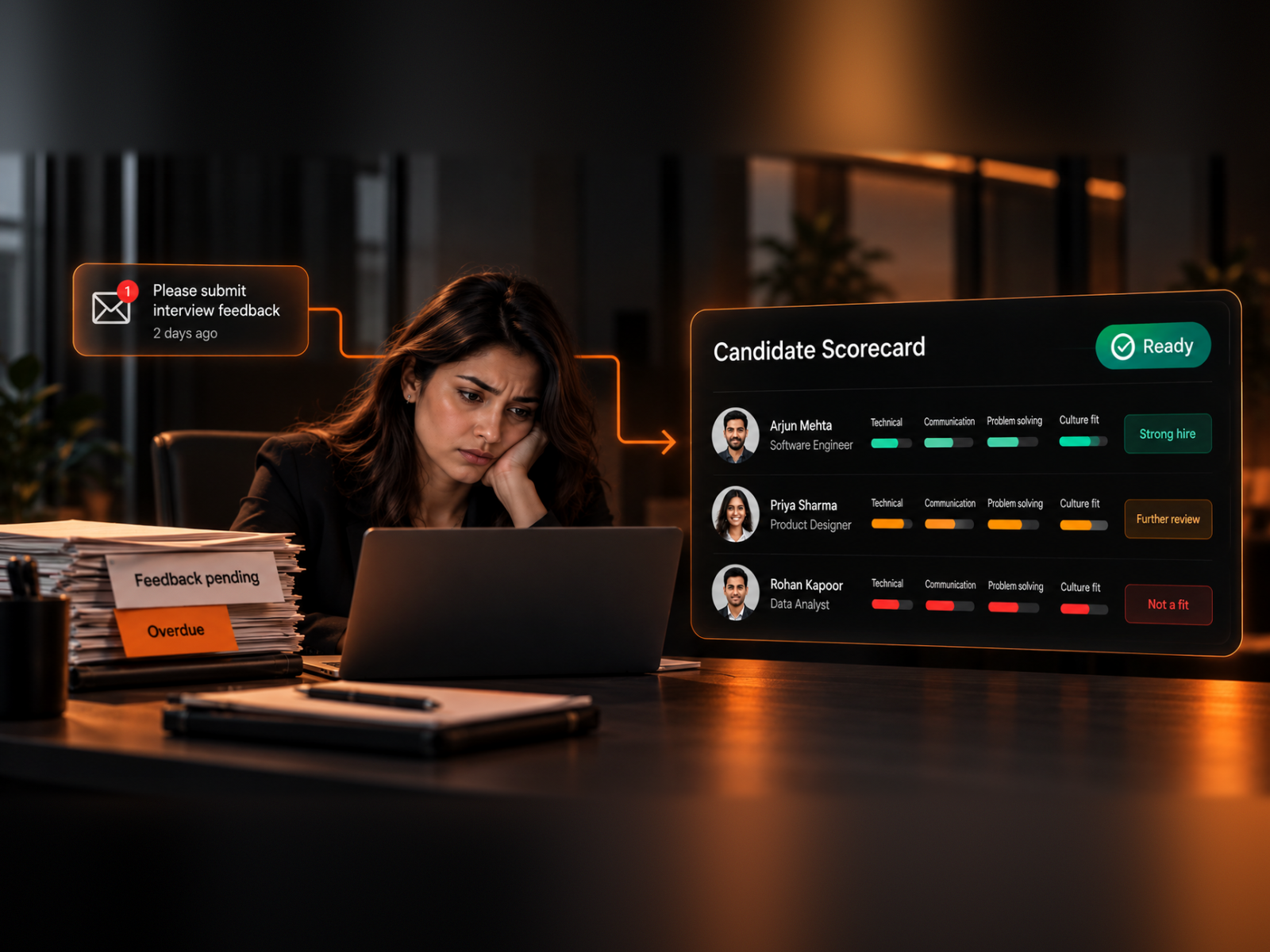
Evidence Is Scattered: When interview notes, scores and decisions live in different places, producing a completeaudit trail is slow and incomplete. Exterview is an agentic talent intelligence platform forenterprise hiring, built for BFSI, pharma and healthcare, with SOC 2 Type II, ISO 27001 andISO 42001 certifications, explainable scoring, built-in verification and a compliancecopilot, designed to work alongside your existing ATS.
Frequently Asked Questions
What Is Compliant AI Hiring?
Compliant AI hiring is the use of AI in recruitment in a way that meets security, governance, fairness, and accountability requirements. In practice, it means certified data security, managed AI risk, explainable scores, built-in identity verification, and a human approving every consequential hiring decision, with a full audit trail.
Is ISO 42001 Mandatory for AI Hiring Tools?
Not currently in most jurisdictions. However, ISO/IEC 42001 is increasingly recognized as a benchmark for responsible AI management, and auditors and procurement teams increasingly ask for it. Certification shows that a vendor manages AI risk systematically rather than case by case.
Do Sector Regulators Have Specific Rules on Hiring AI?
Rules vary by country and sector. Broader AI and employment regulations, such as the EU AI Act and New York City's Local Law 144, can apply across industries. Check with your compliance and legal teams for sector-specific guidance in each market where you hire.
Can AI Hiring Tools Be Used for Roles With Access to Sensitive Systems?
Yes, provided the tools meet your security, governance, and verification standards and a human approves every hiring decision. For roles with privileged access, add identity verification at each interview stage and integrate background checks before the offer.
Where Should a Regulated Enterprise Start With Compliant AI Hiring?
Start with a readiness assessment against the five requirements. Then pilot on one high-volume role family where both the risk and the efficiency gains are clear. Involve Compliance, Legal, and InfoSec from the start so evidence requirements are built into the process rather than added later.
Conclusion
For BFSI, pharma, and healthcare, compliant AI hiring is not a label. It means security certifications, AI governance, explainability, built-in verification, and human accountability all working together. Most enterprise stacks cover security well. The gaps usually sit in AI governance, interview-stage verification, and audit-ready evidence, which is exactly where auditors are starting to look.

Manish Surapaneni