AI Resume Ranking vs Evaluation: What Predicts Performance
AI resume ranking helps find relevant candidates quickly, but structured evaluation reveals who can actually perform the job.


AI Resume Ranking Isn't Hiring: What Truly Predicts Job Performance After the Shortlist
AI resume ranking has become standard in enterprise recruiting, and for good reason. Itsurfaces relevant profiles faster and saves recruiters from reading thousands ofirrelevant applications. But a ranked list only answers one question: who looks right onpaper? It does not tell you who will perform in the role. In this article, you will learn whereAI resume ranking stops being useful, which signals research says predict performancebetter, and how to apply them at the start of your hiring funnel.
TL;DR
AI resume ranking is a useful first filter, but a resume shows what someone claims,not what they can do. Research shows structured, job-relevant evaluation predictsperformance far better. The best funnels use ranking to find the pool and structuredevaluation to find the person. Download our short guide to the 5 signals that predict onthe-job performance and compare them with what your process measures today.
In This Article
- Is AI resume ranking enough to make hiring decisions?
- What actually predicts job performance?
- How do you combine resume ranking with structured evaluation?
- Frequently asked questions
- Conclusion
Is AI Resume Ranking Enough to Make Hiring Decisions?
No. AI resume ranking is an efficient first filter for finding relevant candidates, but itcannot tell you who will perform best, because resumes are self-reported andincreasingly AI-polished. It should narrow the pool, not make the decision.
Resume-matching AI compares each application against job requirements and rankscandidates by fit. For high-volume roles, that is a real efficiency gain, helping recruitersfocus on relevant profiles first.
Resumes Are Self-Reported: A resume tells you what someone says they have done, not how well they did it orwhether they can do it in your context. Formatting varies widely, and AI writing tools nowmake many resumes look equally strong. Some are fabricated outright, a growing hiringfraud risk.
Similar Resumes, Different Performers: Two candidates with near-identical resumes can perform very differently in the role.Ranking tools cannot separate them, because the difference lies in skills, reasoning andbehavior that a resume does not capture.
What Actually Predicts Job Performance?
Structured, job-relevant evaluation is among the strongest predictors of job performance. A 2022 meta-analysis by Sackett and colleagues found structured interviews to be the strongest predictor among common selection methods.
Five signals are worth measuring before the final round:
- Job-relevant skills shown in practice, through work samples or role-based tasks.
- Structured interview responses, where every candidate answers the same questions scored against the same rubric.
- Problem-solving and reasoning, assessed through scenarios drawn from the actual role.
- Communication clarity, measured consistently rather than by interviewer impression.
- Consistency across stages, checking that what a candidate shows in one round holds up in the next.
Want to talk to our experts to find a fix? It only takes 20 mins. Book Now.
How Do You Combine Resume Ranking With Structured Evaluation?
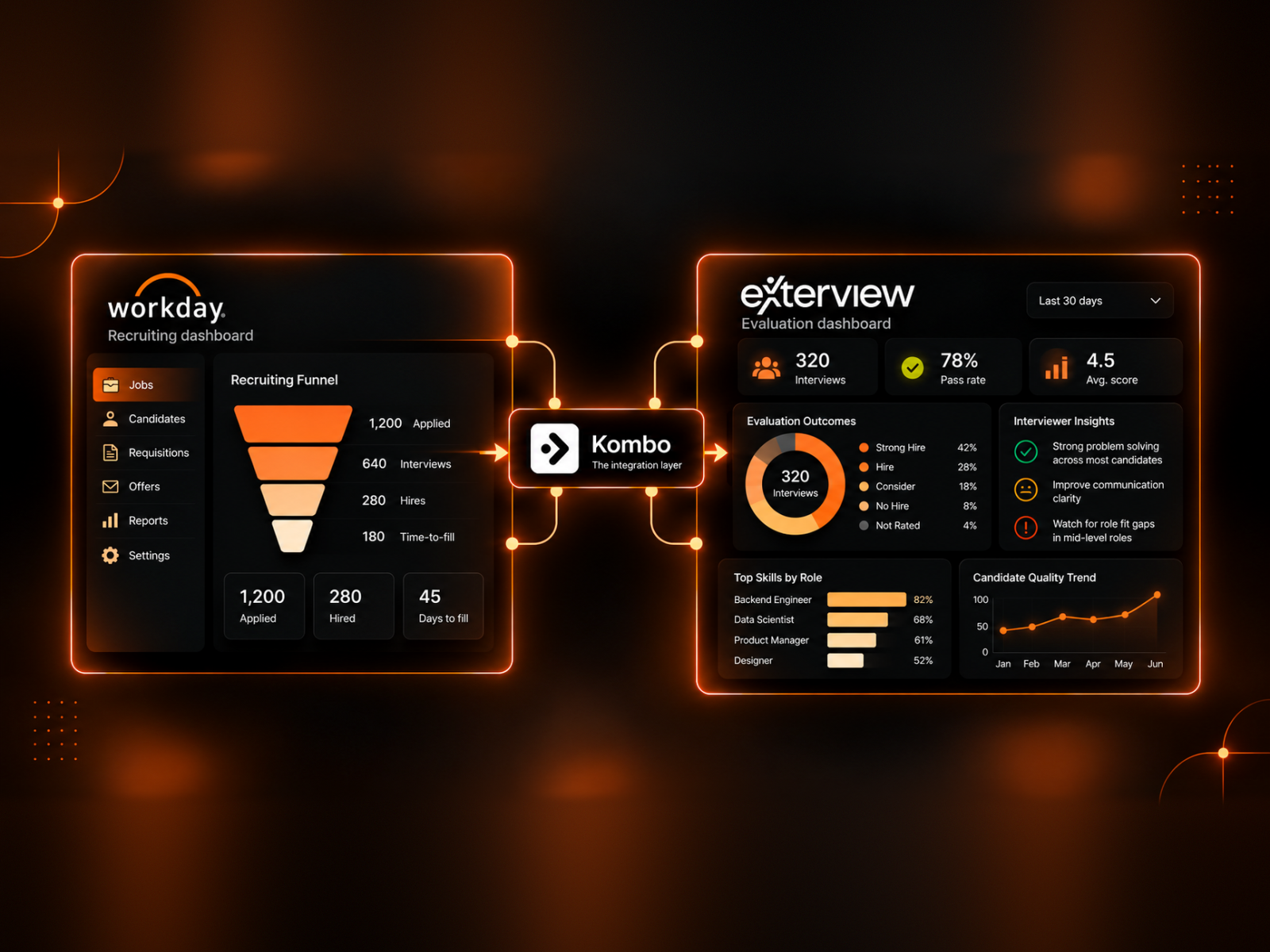
Use AI resume ranking to find the right pool, then run a structured AI interview for everyone in that pool, and build the final shortlist on demonstrated ability. Structured evaluation used to be too expensive for the first stage. AI now makes it practical at scale.
Let Ranking Find the Pool: Resume ranking narrows thousands of applications to a relevant pool quickly. Keep it as your first filter.
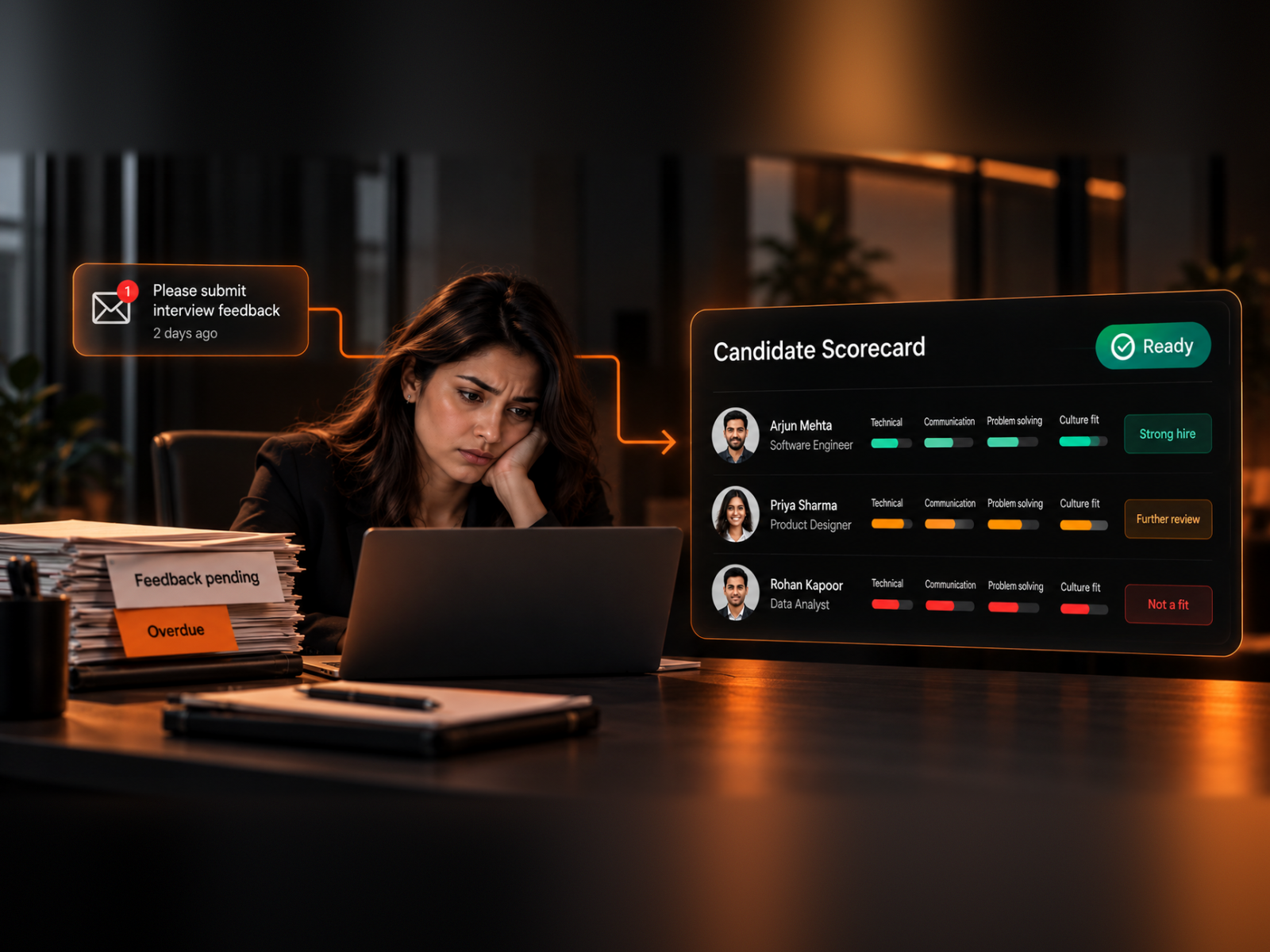
Let Evaluation Find the Person: Instead of moving straight from ranked resumes to human interviews, give every candidate in the pool the same structured interview, scored against a rubric built from the role's competency framework. This creates a consistent evaluation standard across the candidate pool.
Rank on Demonstrated Ability: The final shortlist combines resume fit with demonstrated performance, so hiring managers spend interview time on candidates who have already shown they can do the work. Exterview is an agentic talent intelligence platform for enterprise hiring that combines resume intelligence, AI interviews, and decision ranking, so shortlists reflect ability rather than keywords alone. If you run Workday Recruiting, this structured evaluation step can sit alongside HiredScore's matching.
Frequently Asked Questions
Is AI Resume Ranking Biased?
Any model trained on historical hiring data can reflect past bias, including AI resume ranking. That is why explainable scoring, regular adverse-impact testing, and human oversight matter for any AI used in hiring. Combining ranking with structured, job-relevant evaluation also reduces reliance on resume signals alone.
Should We Stop Using AI Resume Screening?
No. AI resume screening is an efficient first filter that helps recruiters focus on relevant candidates in large applicant pools. The point is to follow it with structured evaluation of skills and reasoning, rather than relying on resume signals alone to make shortlisting or hiring decisions.
What Is the Best Predictor of Job Performance?
Research, including a 2022 meta-analysis by Sackett and colleagues, found structured interviews to be the strongest predictor of job performance among common selection methods. Work samples and job-knowledge tests also perform well. Unstructured interviews and resume review alone are weaker predictors.
Don't Structured Interviews Take Too Long at Scale?
They used to, which is why most companies saved them for final rounds. AI-led structured interviews let every shortlisted candidate be assessed consistently at the first stage, without adding interviewer hours. This makes it possible to apply structured evaluation across the funnel rather than only at the final step.
How Do We Measure Whether This Improves Quality of Hire?
Compare hires made with and without structured first-round evaluation on hiring manager satisfaction, 90-day performance ratings, and early attrition. Track the same role family over at least two hiring cycles to get a reliable comparison.
Conclusion
AI resume ranking helps you find the right pool quickly, but it cannot tell you who in that pool will perform. Structured, job-relevant evaluation is far more predictive, and AI now makes it practical at the very first stage. Combine the two, and your shortlist reflects what candidates can do, not just what they claim.

Manish Surapeni