Recruiter Productivity: Where the Recruiting Week Goes
Discover where recruiter time goes, identify repetitive tasks, and automate them to improve productivity and focus on strategic work.


Recruiter Productivity: Where the Recruiting Week Really Goes, and How to Win It Back
Ask any recruiter how their week went and you will hear "busy." Ask what they spent it onand the answer gets vaguer. Recruiter productivity is rarely limited by effort. It is limitedby repetitive screening and scheduling that most TA teams have never measured. In thisarticle, you will learn where recruiter hours typically go, how to run a simple recruiter timeaudit, and how to move repetitive work off your team's plate.
TL;DR
Recruiters lose much of their week to first-round screens, scheduling andfeedback chasing, work that follows the same script every time. A one-week recruitertime audit shows exactly where the hours go. Track one week with our free recruitertime-audit template; most teams are surprised by what they find.
In This Article
- What does a typical recruiter week look like?
- Where does recruiter time actually go?
- How do you run a recruiter time audit?
- How can TA teams improve recruiter productivity?
- Frequently asked questions
- Conclusion
What Does a Typical Recruiter Week Look Like?
A typical enterprise recruiter week is dominated by resume review, first-round phone screens, and scheduling, with strategic work squeezed into the gaps. The pattern is consistent across industries because the first layer of evaluation is still manual.
Picture a Monday. A recruiter opens the ATS to 140 new applicants across six requisitions. By 10 a.m., they have skimmed 40 resumes. By noon, they have booked eight phone screens, rescheduled three, and chased two hiring managers for last week's feedback. The afternoon goes to the screens themselves: 20 to 30 minutes each, asking largely the same questions about notice period, salary expectations, and basic role fit.
Why This Is a Workflow Problem, Not a People Problem
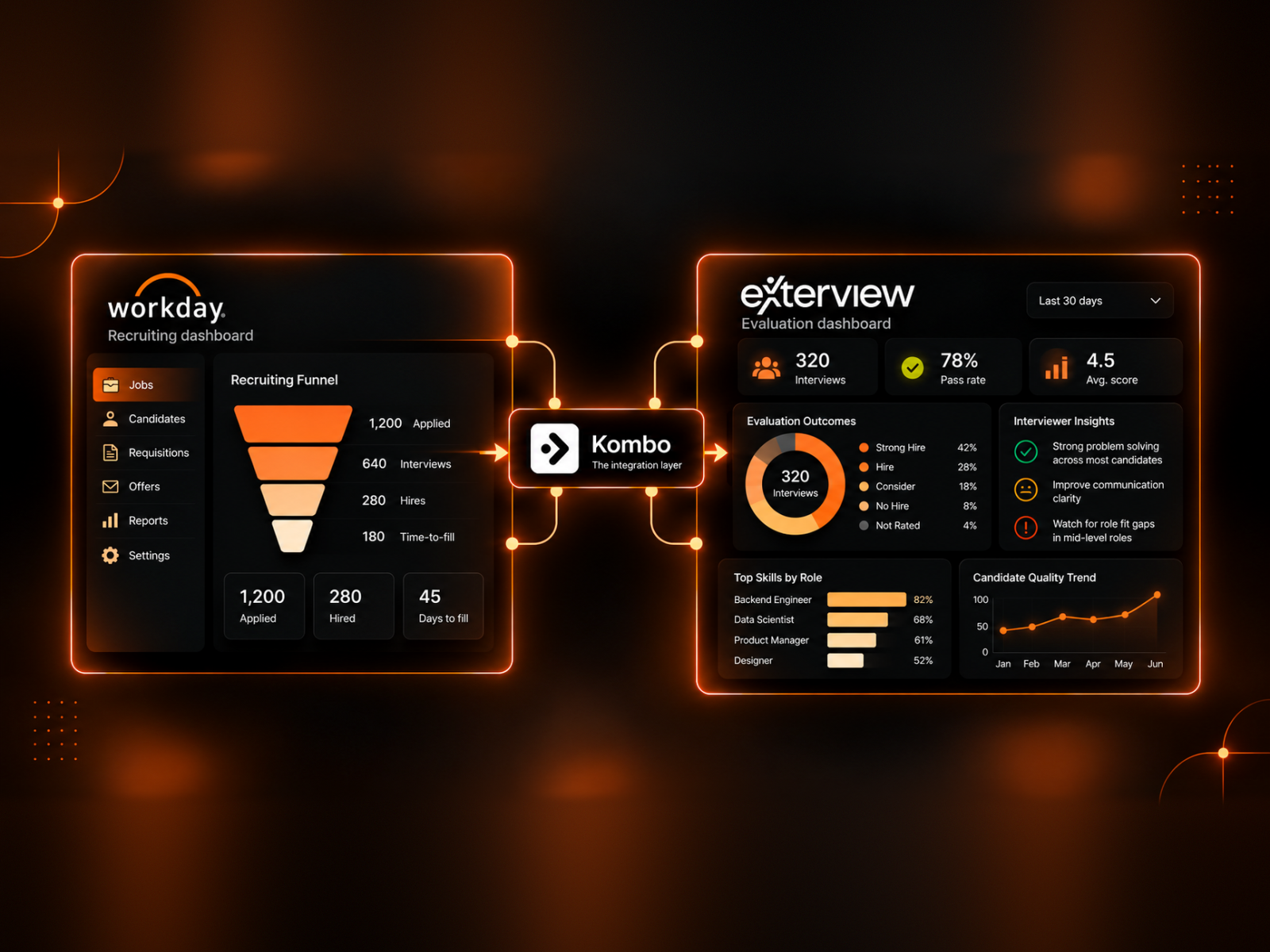
The ATS moves candidates efficiently from stage to stage, but it does not run the evaluation. So the same scripted conversation is repeated hundreds of times a month by people hired for their judgment. That gap between a system of record and a system of evaluation is where recruiter productivity disappears.
Where Does Recruiter Time Actually Go?
Recruiter time usually falls into five buckets: resume review, first-round screening, scheduling, feedback chasing, and strategic work. In most audits, the first four take the majority of the week, and strategic work gets what is left.
Want to talk to our experts to find a fix? It only takes 20 mins. Book Now.
How Do You Run a Recruiter Time Audit?
A recruiter time audit is a one-week log of how each recruiter spends their working hours, grouped into the five buckets above. It turns a vague sense of being busy into data you can act on.
1. Pick a Normal Week: Avoid holidays, quarter-end, or hiring freezes.
2. Log in 30-Minute Blocks: Each recruiter records which bucket every block belonged to.
3. Tag Requisitions: Note which roles consumed the most screening time.
4. Total by Bucket: Calculate the share of hours spent on each bucket, per recruiter and for the team.
5. Flag Scripted Work: Mark every activity that follows the same script each time. These are your automation candidates.
How Can TA Teams Improve Recruiter Productivity?
The fastest way to improve recruiter productivity is to move scripted first-round evaluation off recruiters' plates, so their hours go to work that needs judgment. The goal is not to make recruiters faster. It is to stop them doing work a structured system can do.
Automate the Scripted First Round: First-round screens follow the same script every time, which is exactly what structured AI screening handles well. Every shortlisted candidate completes the same voice or video interview, scored against the same rubric, at a time that suits them.
Rank Before You Review: Instead of reading every resume in order of arrival, recruiters start with a list ranked by resume fit and screening performance. Their first look is at the strongest candidates.
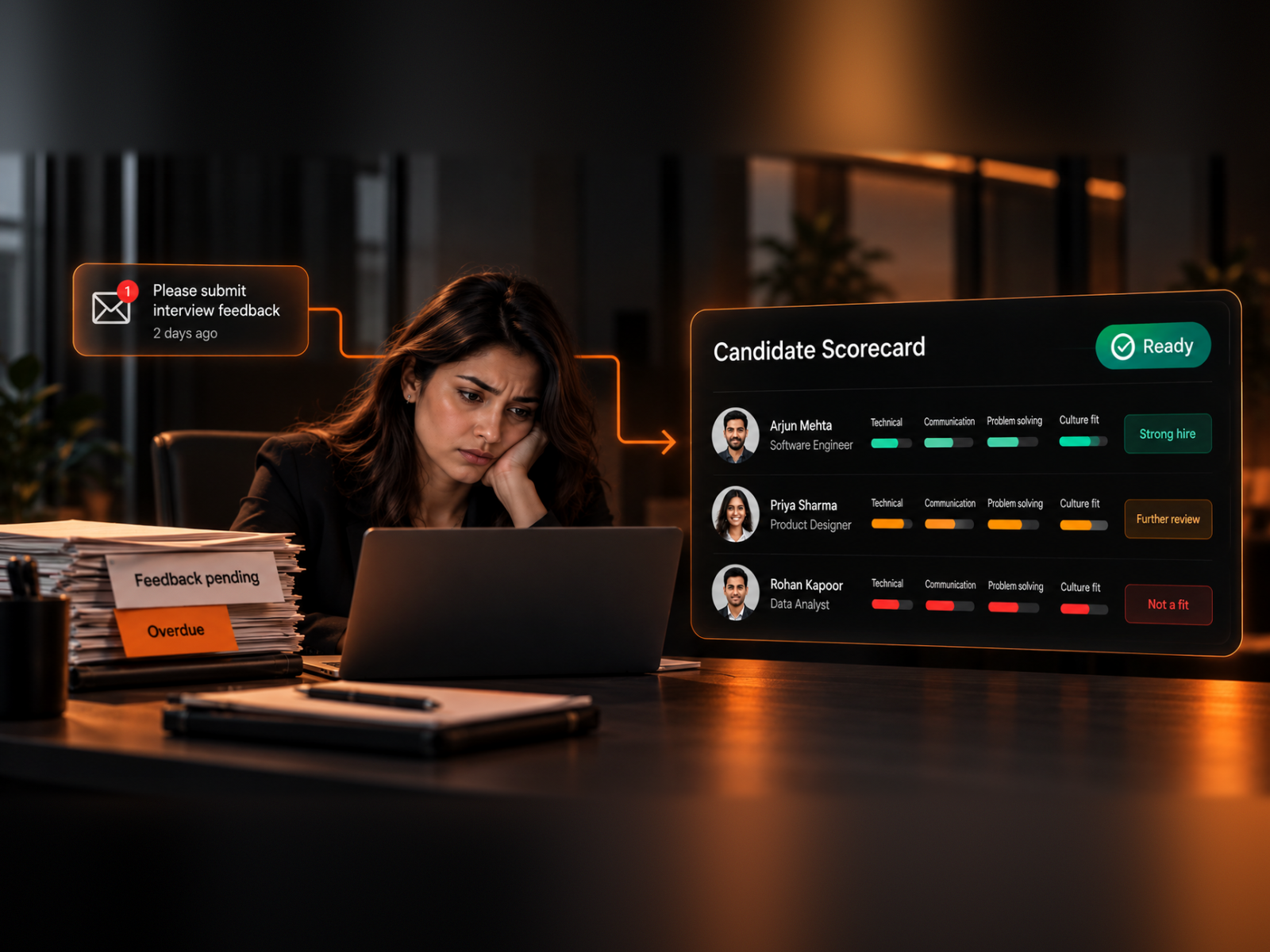
Fix the Feedback Loop: Feedback chasing shrinks when panel feedback is drafted during the interview rather than written from memory afterwards.
Reinvest the Hours Deliberately: Put the time saved into deeper hiring manager intake meetings, a better offer-stage experience, or proactive pipelines for next quarter. Exterview is an agentic talent intelligence platform for enterprise hiring whose AI screening agents send scored shortlists back into the existing ATS, so recruiters keep their current workflow. If your team runs Workday, see our guide to layering evaluation on Workday.
Frequently Asked Questions
What Is a Recruiter Time Audit?
A recruiter time audit is a structured one-week log of how recruiters spend their hours, grouped into categories such as resume review, screening, scheduling, feedback chasing, and strategic work. It shows which tasks consume the most time and which could be automated without losing quality.
How Long Should a Recruiter Time Audit Run?
One full working week is usually enough to show a clear pattern. Run it for two weeks if your hiring is seasonal or spread unevenly across requisitions. Choose a typical period and avoid holidays, quarter-end crunches, or hiring freezes, which distort the results.
Which Recruiting Tasks Should Be Automated First?
Start with tasks that follow the same script every time: first-round screening questions, interview scheduling, and feedback reminders. These consume many hours but rarely need a recruiter's judgment. Keep relationship work, such as hiring manager alignment and closing candidates, with recruiters.
Does Automating Screening Reduce the Human Touch?
Usually it increases it. When recruiters are not running dozens of repetitive screens each week, they have more time for meaningful conversations with the strongest candidates, better hiring manager partnerships, and a more personal offer stage. Automation handles the script; recruiters handle the relationships.
Do We Need a New ATS to Improve Recruiter Productivity?
No. Screening automation and structured evaluation can sit alongside the ATS you already use, including Workday, SAP SuccessFactors, or Oracle. Results flow back into the candidate record, so recruiters keep working in familiar tools while spending less time on scripted tasks.
Conclusion
Recruiters are not short on effort. They are short on time for the work that needs them. Most of the week goes to scripted screens, scheduling, and follow-ups, while strategic work gets squeezed. A one-week recruiter time audit makes that visible, and it usually builds a clear case for moving repetitive evaluation to a structured system.

Manish Surapeni